

How to Choose Stainless Steel Cutlery for Wholesale: A Buyer’s Guide

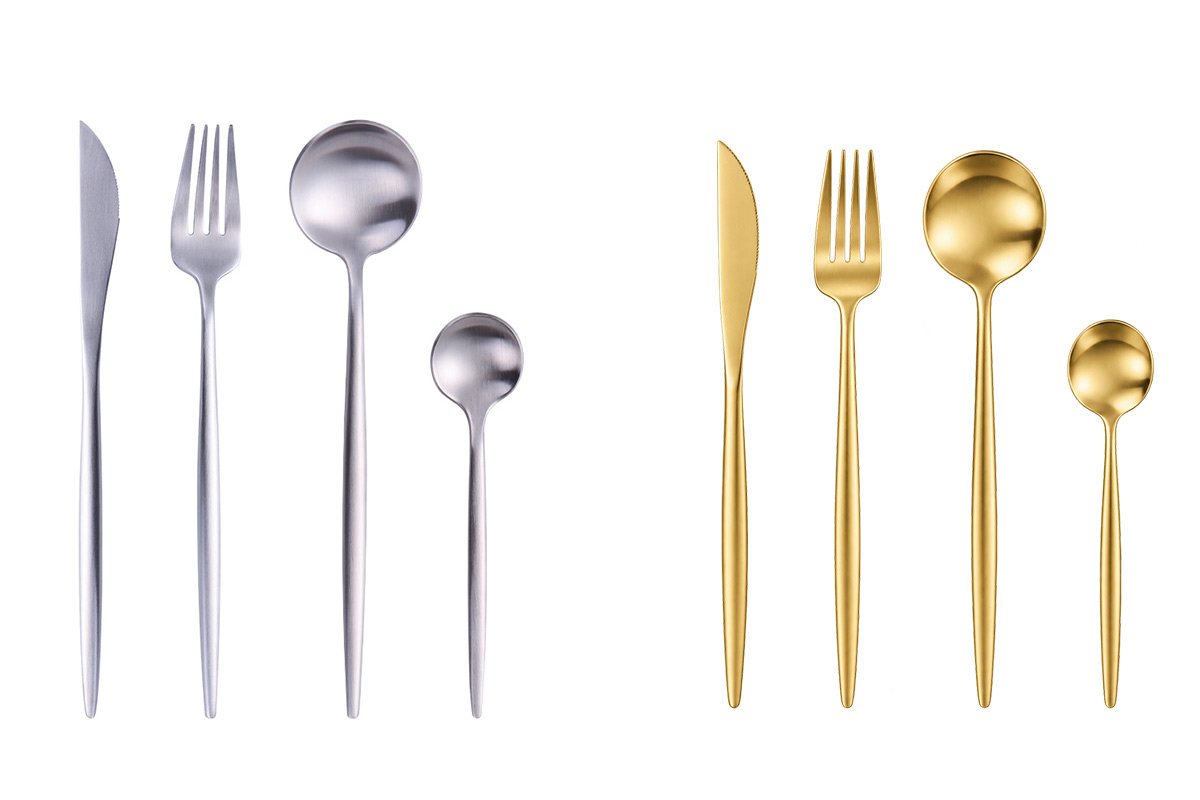
Choosing wholesale stainless steel cutlery involves more than comparing product photos and unit prices. Importers, wholesalers, retailers, and hospitality buyers should evaluate material grade, product construction, finish, intended use, quality consistency, packaging, and total landed cost before placing a bulk order. This guide explains the key checks to make before choosing a supplier.

1. Understand the Main Stainless Steel Grades
Different stainless steel grades offer different combinations of corrosion resistance, hardness, cost, and processing characteristics. The grade alone does not determine the performance of a finished cutlery item: design, heat treatment, surface condition, cleaning chemicals, and the use environment also matter.
| Grade | Typical characteristics | Potential applications | What buyers should verify |
| 201 | Often selected for cost-sensitive products; corrosion resistance is generally lower than 304 and depends on the environment. | Some budget-oriented flatware and decorative finishes, subject to market and use requirements. | Confirm the exact grade, intended use, cleaning conditions, and corrosion expectations. |
| 410 | Martensitic stainless steel that can be hardened; often used for knife blades where edge performance is important. | Dinner knives and other components requiring hardness, depending on design and heat treatment. | Ask about blade material, hardness or heat-treatment specifications where relevant, and edge performance. |
| 430 | Ferritic, nickel-free stainless steel with properties that differ from austenitic 304. | Selected cost-conscious products and components where its performance is suitable. | Verify the exact item, finish, cleaning instructions, and suitability for the intended environment. |
| 304 | Austenitic stainless steel generally valued for good corrosion resistance and common use in food-contact applications. | Many mid-range and premium cutlery products, including hospitality ranges. | Confirm the material grade and any applicable food-contact or market compliance documentation. |
Important: Do not treat a grade as a blanket guarantee that a product is rust-proof, dishwasher-safe, or compliant with every market’s requirements. Ask the supplier to substantiate material claims and follow the product’s tested care instructions.
2. Match the Cutlery to Its Intended Use
Start with how and where the cutlery will be used. A hotel restaurant with frequent commercial washing has different requirements from a promotional gift set or a retail assortment.
- Hotels and restaurants: Prioritize consistent finish, comfortable handling, suitable durability, easy cleaning, and repeat-order consistency. Confirm performance under the buyer’s actual washing conditions.
- Importers and wholesalers: Consider target price tier, market expectations, assortment breadth, carton packing, stock planning, and whether the supplier can reproduce the approved sample in later batches.
- Retail and gift sets: Evaluate appearance, color consistency, set composition, presentation box, labeling, and protection against scratches during transit.
- Knife-focused ranges: Confirm the blade material and processing separately from the fork and spoon. A set may use different grades for different components; do not assume every piece has the same material.

3. Confirm Product Specifications Before Ordering
A clear specification sheet helps buyers compare like with like and reduces misunderstandings between quotation, sample approval, and mass production.
- Material: specify the grade for each component, such as knife, fork, tablespoon, and teaspoon. Request supporting documentation where appropriate.
- Dimensions and weight: confirm length, thickness, and unit weight for each item, including the agreed tolerance if relevant.
- Surface finish: define mirror polish, matte polish, brushed finish, or PVD/color coating. For colored products, confirm the color reference and acceptable variation.
- Construction and edge quality: inspect for burrs, sharp unwanted edges, uneven polishing, rough joints, and defects that may affect handling or cleaning.
- Set composition: list the exact pieces and quantities per set.
- Packaging: confirm individual protection, inner box, gift box, master carton, carton quantity, and shipping marks.
- Customization: specify logo method, handle design, color, packaging artwork, and any tooling or setup charges.
- Order terms: record MOQ, sample cost, sample lead time, production lead time, payment terms, and delivery terms in writing.

4. Common Purchasing Mistakes to Avoid
- Choosing by photos alone: Products that look similar online may differ in material, weight, polishing, construction, and edge finishing.
- Selecting the lowest quote without verification: Unverified material or inconsistent production can increase inspection, replacement, and complaint costs.
- Using one specification for every market: Cleaning practices, buyer expectations, price positioning, and regulatory requirements can differ by destination and application.
- Assuming all pieces use the same steel grade: Knives may use a different blade material from forks and spoons; request a component-by-component specification.
- Approving a sample but not defining mass-production standards: Record the approved sample, tolerances, finish, packaging, and inspection criteria in the purchase agreement.
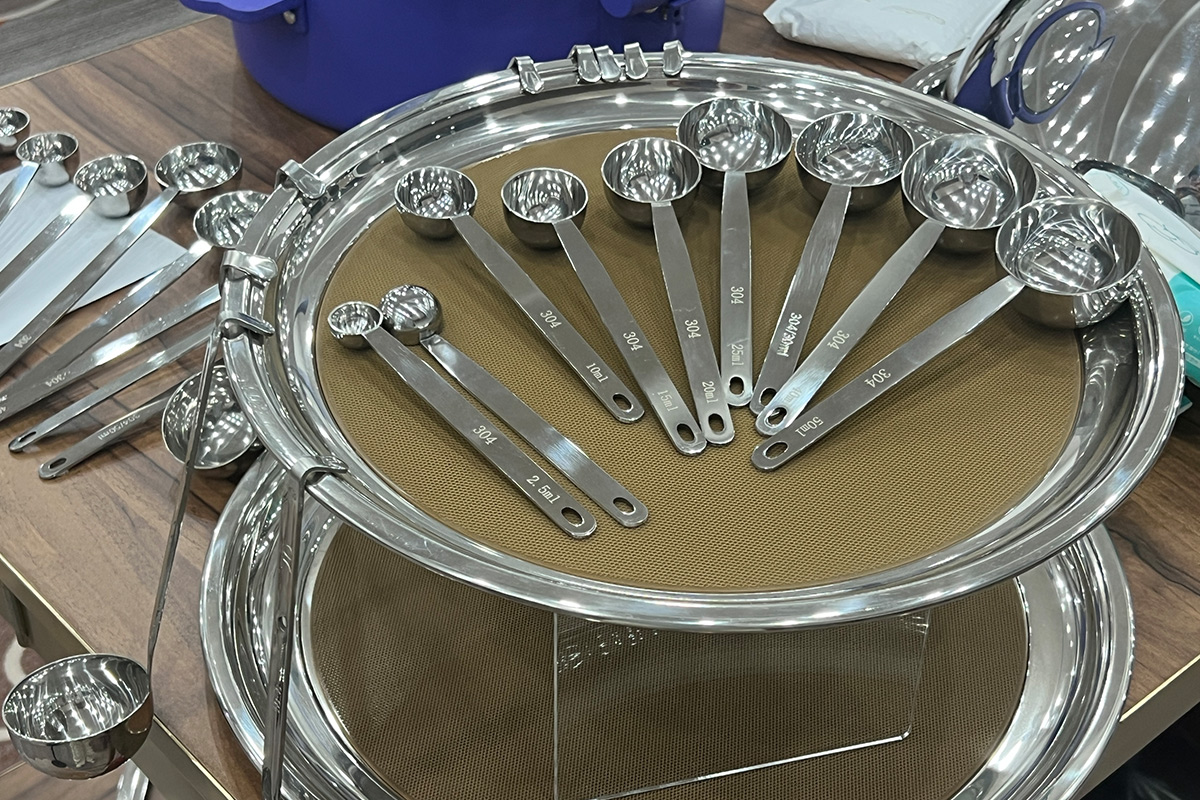
5. Wholesale Cutlery Buying Checklist
Before confirming your purchase order, make sure you can answer these questions:
☐ Is the material grade stated for each cutlery component?
☐ Are dimensions, thickness, weight, finish, and set composition documented?
☐ Has a representative sample been reviewed and approved?
☐ Are quality standards and acceptable tolerances agreed in writing?
☐ Have packaging, labeling, MOQ, lead time, and delivery terms been confirmed?
☐ Have supplier claims and any destination-market compliance requirements been checked?
☐ Have quotations been compared on the same specification and total-cost basis?
Frequently Asked Questions
Is SUS 304 a good choice for hotel and restaurant cutlery?
SUS 304 is commonly selected for cutlery where good corrosion resistance is important. Suitability still depends on product design, cleaning chemicals, washing conditions, and the buyer’s requirements. Confirm the grade and care instructions with the supplier.
Is stainless steel cutlery always dishwasher-safe?
No. Dishwasher suitability depends on the material, finish or coating, detergents, temperature, washing cycle, and manufacturer’s instructions. Request supporting test information for the exact product if commercial dishwasher use is essential.
Should all pieces in a cutlery set use the same material?
Not necessarily. Some sets use a different steel grade for the knife blade to achieve the required edge performance. The supplier should clearly identify the material used for each component.
What information should I send when requesting a wholesale quote?
Provide the item or reference image, material requirement, finish, dimensions or target weight, set composition, quantity, logo and packaging needs, destination market, and target delivery date.
Looking for a Stainless Steel Cutlery Supplier?
Share your target market, application, preferred material and finish, set composition, estimated order quantity, and packaging requirements. The Meinai Horeca team can help you review suitable stainless steel cutlery options for wholesale, retail, and hospitality projects.

